Offensive vs. Defensive: The Role of Player Profiles in Strategic Game Analysis

Offensive vs. Defensive: The Role of Player Profiles in Strategic Game Analysis
When two teams face off on the field, the contest is about more than athleticism or raw power—it’s about strategy. In American football, the clash between offense and defense is a constant tactical duel, where the individual profiles of players on both sides shape the rhythm, momentum, and outcome of the game. A deep strategic analysis requires understanding how each player’s role contributes to the broader system.
The Architects of the Offense – Building the Play
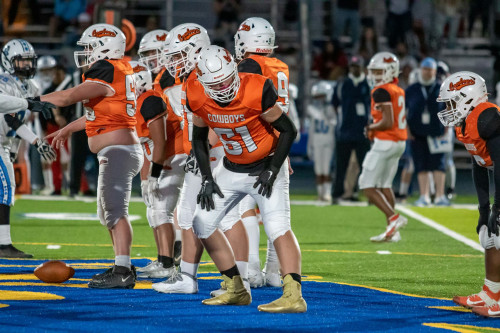
A strong offense begins with the quarterback, the on-field strategist. He reads the defense, adjusts plays at the line of scrimmage, and must make split-second decisions that can change the course of a drive. But even the most talented quarterback depends on his supporting cast: wide receivers, running backs, and a reliable offensive line.
- The Quarterback is the brain of the offense. His ability to recognize coverage schemes, respond to blitzes, and deliver accurate throws determines whether the offense can move the ball efficiently.
- Wide Receivers stretch the field and challenge defenders with speed and timing. A receiver who can consistently win one-on-one matchups forces the defense to adjust—often opening space for other players.
- Running Backs are both weapons and protectors. They can break tackles, catch passes, and serve as extra blockers in pass protection. A versatile back keeps the defense guessing.
- The Offensive Line is the foundation. Without solid protection, even the most creative play designs collapse. The line’s ability to open running lanes and keep pressure off the quarterback often determines success or failure.
Analyzing offensive performance isn’t just about yards or touchdowns—it’s about how these roles interact and adapt to the defensive structure across the line of scrimmage.
Læs også:
The Architects of the Defense – Breaking the Play
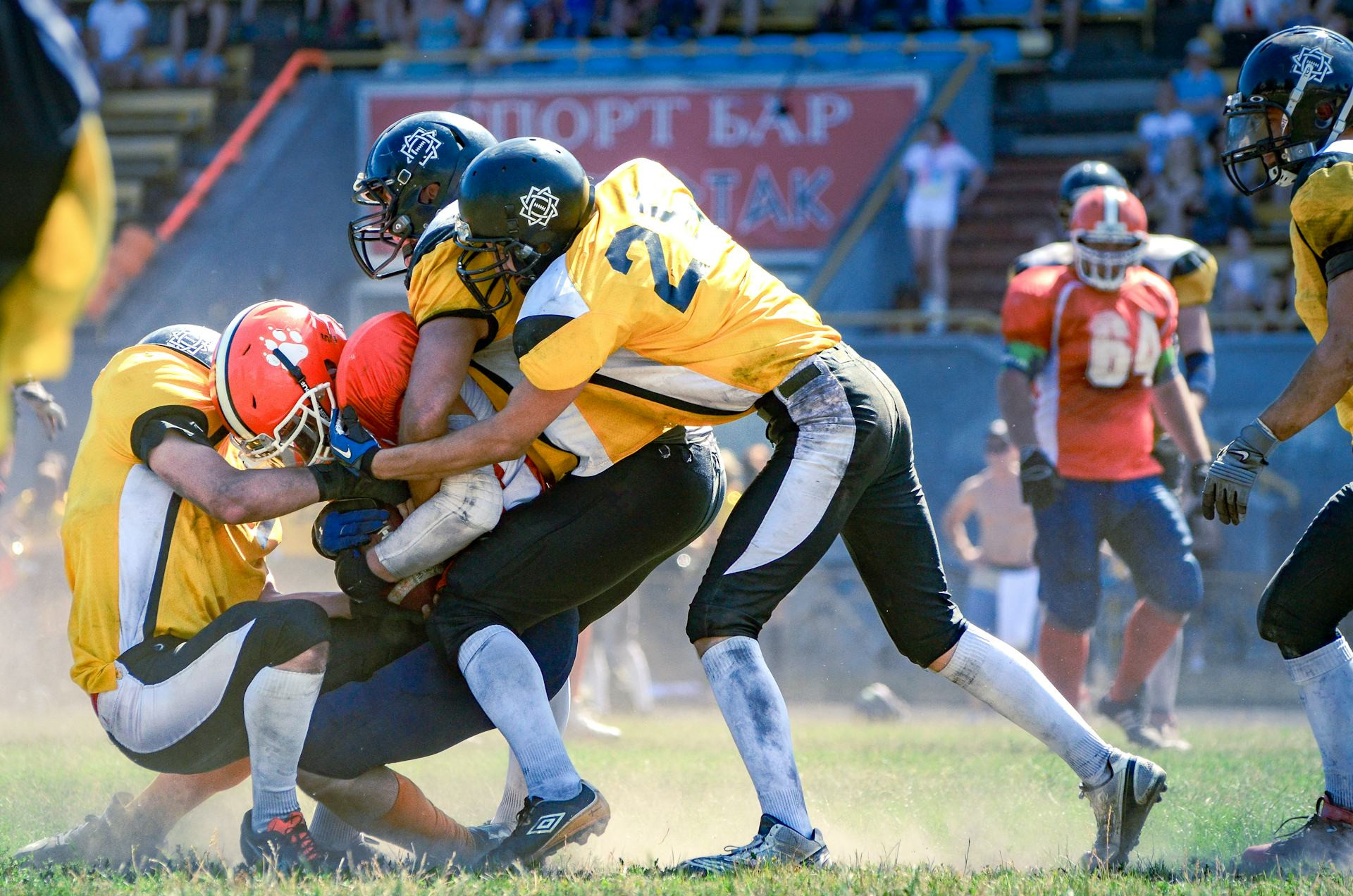
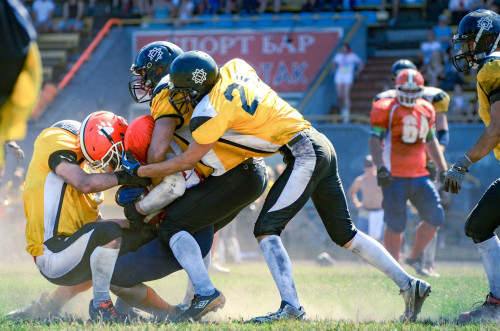
On the other side of the ball, the defense must read, react, and disrupt. The coordination between the defensive line, linebackers, and secondary determines whether the opponent can execute its game plan.
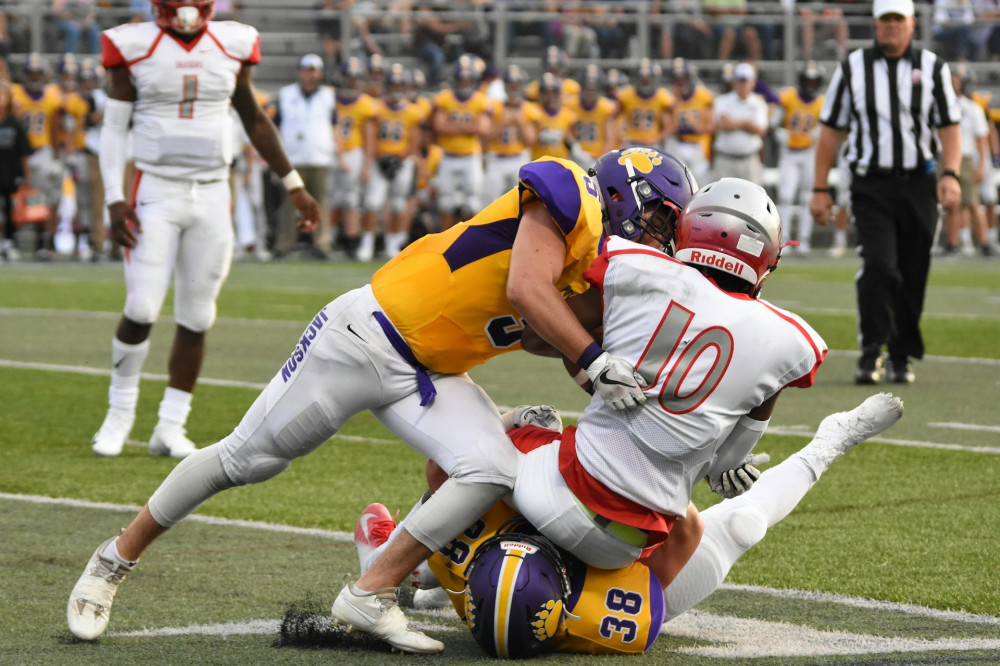
- Defensive Linemen set the tone. A strong pass rush can force hurried throws, while a stout run defense can shut down an opponent’s rhythm.
- Linebackers are the defense’s multitaskers—they tackle, cover, and blitz. Their ability to diagnose plays makes them central to most defensive systems.
- Cornerbacks and Safeties form the last line of defense. They must prevent big plays while supporting against the run. A shutdown cornerback who can neutralize a top receiver gives the defense freedom to disguise blitzes and coverages.
An effective defense doesn’t just stop the opponent—it creates uncertainty. By varying formations and concealing intentions, a defense can force the offense to react rather than dictate.
How Player Profiles Shape Game Dynamics
In modern game analysis, individual player profiles often redefine the entire flow of a matchup. A deep-threat receiver can push the defense back, opening space for short passes and runs. Conversely, a dominant pass rusher can destroy an offense’s timing and force quick, low-risk throws.
Player profiles also influence the psychological side of the game. A quarterback who takes an early hit may lose confidence, while a linebacker delivering a big tackle can energize the entire team. Strategic analysis, therefore, goes beyond statistics—it’s about momentum, confidence, and emotional control.
Data and Intuition – Two Sides of the Same Coin
Today’s teams rely heavily on advanced analytics: how often a team runs on first down, which formations yield the most yards, or how individual players perform against specific defensive looks. Yet numbers alone don’t tell the full story.
The best coaches blend data with intuition. They notice how a player responds under pressure, how a defense adjusts after a big play, and how the energy on the field shifts. The most effective strategic decisions emerge from this balance between analytical insight and human instinct.
The Strategic Balance – The Art of Adaptation
No game plan survives first contact with the opponent. Adaptability is key. A team that can shift from an aggressive passing attack to a controlled ground game—or from zone coverage to man-to-man—gains a tactical edge.
Player versatility is central to this adaptability. A running back who can both run and catch expands the offensive playbook. A safety who can cover like a cornerback allows the defense to disguise its intentions. The more flexible the player profiles, the harder the team is to predict—and the easier it is to control the game’s tempo.
Conclusion: Victory Lies in the Details
Offense and defense are two sides of the same strategic coin. One builds, the other disrupts—but both depend on how players execute their roles. Modern game analysis isn’t just about identifying mistakes; it’s about understanding the interplay between individuals, systems, and moments.
Viewed through this strategic lens, it becomes clear that victory rarely comes from a single highlight play. It’s forged in the details—in subtle adjustments, quick decisions, and the players who elevate their team when it matters most.
Læs også: