The Horse’s Form as a Predictive Tool

The Horse’s Form as a Predictive Tool
In the world of horse racing, few concepts are as frequently discussed—or as misunderstood—as “form.” When fans, trainers, or bettors say a horse is “in form,” they’re referring to much more than just recent results. Form is a dynamic measure of a horse’s current condition, both physical and mental, and understanding it can be the key to predicting performance. In this article, we’ll explore what form really means, how to read it, and why it’s one of the most valuable tools in American racing analysis.
What Does “Form” Really Mean?
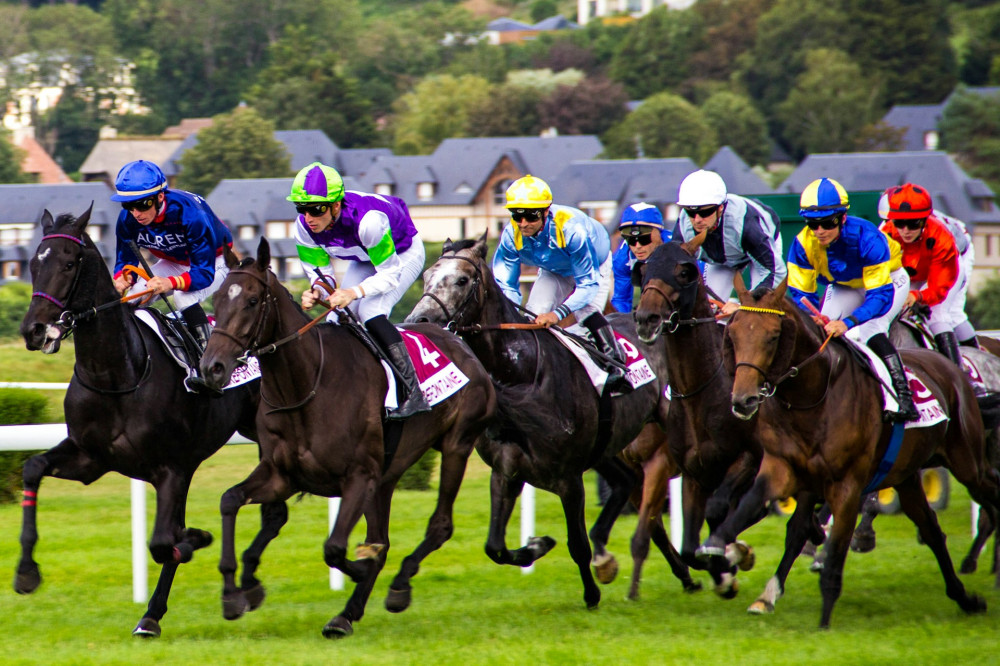
At its core, form describes how well a horse is performing relative to its potential. A horse in good form runs smoothly, responds quickly to its jockey, and shows determination in the stretch. One that’s out of form may appear sluggish, distracted, or unable to sustain its pace.
Form is influenced by a wide range of factors: training intensity, nutrition, recovery, health, and even the horse’s mental state. A relaxed, confident horse that enjoys its environment often performs better than one that’s anxious or unsettled. In U.S. racing, where travel and track conditions vary widely, maintaining consistent form is a challenge that separates the good from the great.
Reading Form in the Racing Program
For bettors and analysts, the racing form—such as the Daily Racing Form—is the primary source of information. But interpreting it correctly requires more than just glancing at finishing positions. Here are some key indicators:
- Recent results: A string of top finishes suggests strong form, but context matters. Was the horse facing tougher competition? Were the track conditions favorable?
- Speed figures: In American racing, speed ratings like Beyer Speed Figures are crucial. A steady upward trend in these numbers can signal improving form, even if the horse hasn’t been winning.
- Track and distance preferences: Some horses excel on dirt, others on turf or synthetic surfaces. A horse returning to its preferred conditions may show a sudden rebound in form.
- Trainer and jockey comments: Insights from the barn—how the horse has been training, eating, or behaving—can reveal whether it’s peaking or still finding its rhythm.
Form is never just about numbers; it’s about understanding the story behind them.
Læs også:
Physical and Mental Form: Two Sides of the Same Coin
A horse can be physically fit but mentally off its game. Some horses thrive when they can set the pace early, while others prefer to settle and make a late run. Knowing a horse’s temperament and running style is essential to evaluating its true form.
Trainers in the U.S. often walk a fine line between keeping a horse sharp and overtraining it. Too much work can lead to fatigue or injury, while too little can leave the horse flat. The best trainers aim to have their horses “on the muscle”—fresh, focused, and eager to compete—at just the right time.
Timing the Peak
In professional racing, timing is everything. Trainers plan conditioning schedules so that a horse reaches peak form for major events—whether that’s the Kentucky Derby, the Breeders’ Cup, or a key stakes race at Saratoga. No horse can maintain top form year-round, so the goal is to build up, peak, and then allow recovery.
For handicappers, tracking a horse’s form cycle is invaluable. A horse showing gradual improvement may be on the verge of a breakout performance, while one that recently hit a career-best figure might be due for a regression. Recognizing these patterns can make the difference between a winning and losing bet.
When Form Meets Conditions
Even the best form can be neutralized by external factors. Weather, track surface, post position, and competition all play a role. A horse that loves a fast dirt track might struggle in the slop, and one that draws an outside post in a short race could lose valuable ground early.
That’s why successful handicappers always combine form analysis with an understanding of race-day conditions. The interplay between form and circumstance is where the most accurate predictions are made.
Form as Part of the Bigger Picture
Using form as a predictive tool requires both data and intuition. Statistics can highlight trends, but the human eye—watching how a horse warms up, moves in the paddock, or reacts to the crowd—can reveal subtleties that numbers miss.
For seasoned bettors, the challenge is to piece together the puzzle: form, track, competition, jockey, and current condition. No single factor tells the whole story, but together they create a picture that can guide smarter predictions.
A Living Indicator
A horse’s form is never static—it evolves from week to week, race to race. That’s what makes horse racing so captivating and unpredictable. Understanding and interpreting form is both a science and an art, blending observation, experience, and analysis.
For those who master it, form becomes more than just a statistic—it’s a living indicator, a window into a horse’s readiness to perform. And for the sharp-eyed observer, it can be the key to spotting the next big winner before anyone else does.
Læs også: