Clay Courts and Adaptation – Understanding Tennis Players’ Tactical Adjustments

Clay Courts and Adaptation – Understanding Tennis Players’ Tactical Adjustments
As the tennis season shifts from the fast-paced hard courts of North America to the slower, more demanding clay courts of Europe and South America, the game transforms. The ball bounces higher, rallies stretch longer, and patience becomes a decisive weapon. For players, this transition demands adjustments in technique, tactics, and mindset. Clay doesn’t necessarily reward the biggest serve or the hardest hitter—it rewards the smartest strategist, the one who can read the game, vary the pace, and exploit every weakness.
The Nature of Clay – Slow but Demanding
Clay courts, especially the traditional red ones seen in Paris, are known for their slow pace. The surface absorbs some of the ball’s speed, causing it to bounce higher and slower than on hard or grass courts. This gives players more time to react but also makes it harder to hit outright winners.
For many, it feels like playing a different sport altogether. Serves lose their dominance, and rallies become battles of endurance and precision. Success on clay requires patience, consistency, and the ability to construct points carefully. Where a powerful serve might dominate on grass, on clay a player must find other ways to gain control—through heavy topspin, clever placement, and constant movement.
Tactical Adjustments – From Power to Positioning
On clay, brute force alone rarely wins matches. Players must adapt their tactics in several key ways:
- More topspin: Heavy topspin pushes opponents deep behind the baseline and gives the hitter time to recover. Rafael Nadal’s mastery of this tactic has become the gold standard for clay-court play.
- Longer rallies: Players accept that points will take time. They build them patiently, waiting for the right moment to attack.
- Use of angles: Sharp cross-court shots can open up the court, forcing opponents out of position and creating space for a finishing blow.
- Variation in pace: Mixing heavy topspin with low slices or drop shots can disrupt rhythm and provoke errors.
These adjustments require not only technical skill but also mental discipline. Staying focused through long rallies and resisting the urge to rush are essential traits for success on clay.
Footwork and Movement – The Art of Sliding
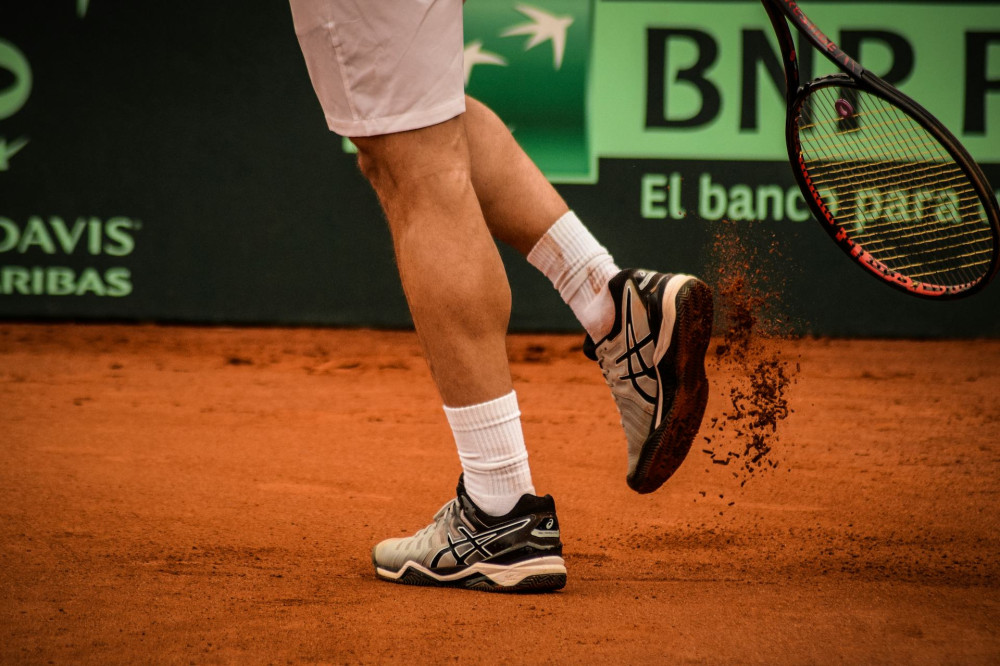
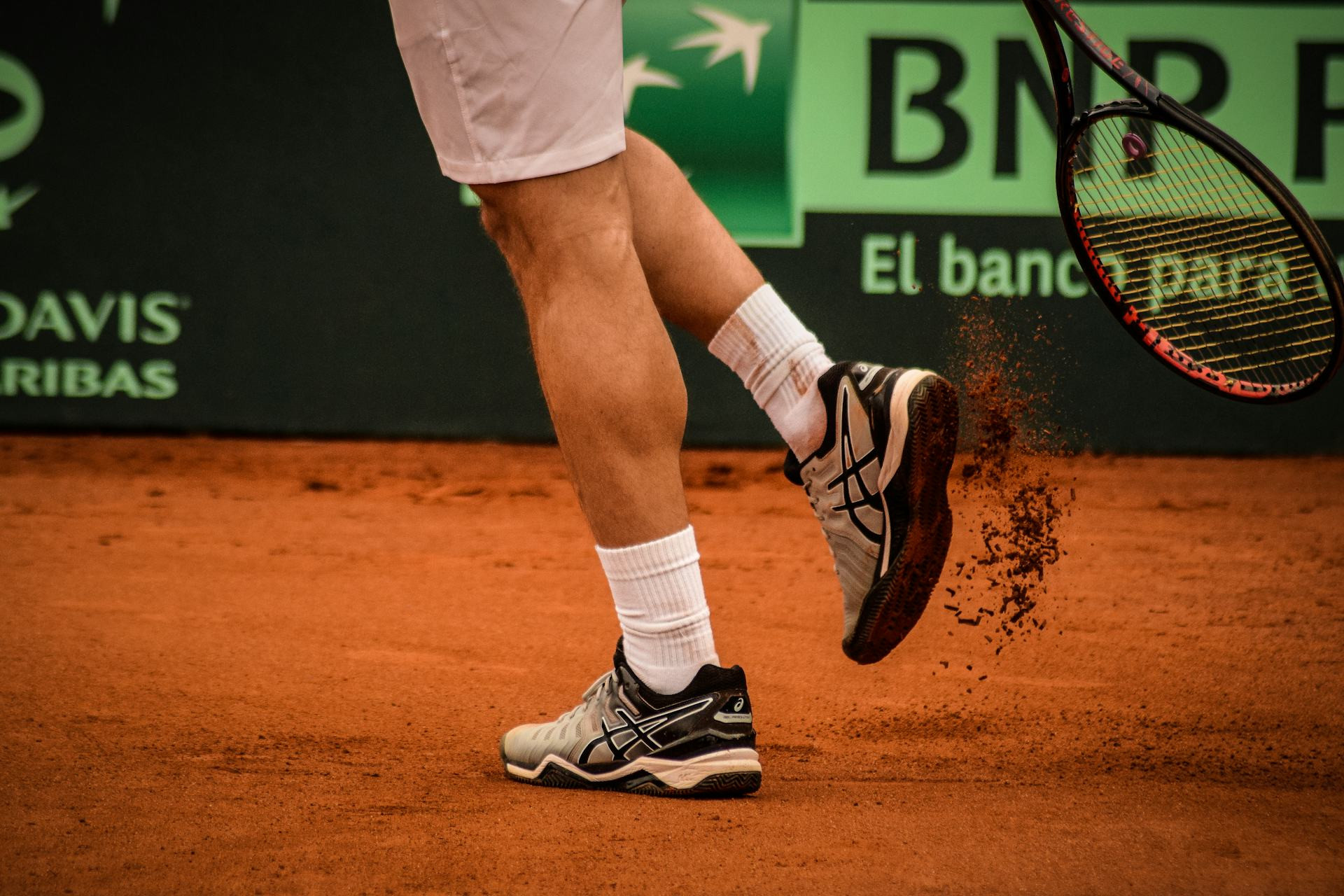
Movement on clay is unlike any other surface. Players learn to slide into their shots—a skill that demands balance, timing, and confidence. Sliding allows them to cover the court efficiently, but it also requires precise control to avoid over-sliding or losing footing.
Many hard-court specialists struggle with this aspect when transitioning to clay. The surface “gives” underfoot, and players must adapt their steps to maintain stability. The best clay-court movers seem to glide effortlessly, turning defense into offense with a single, fluid motion.
Læs også:


The Mental Game – Patience as a Weapon
Clay courts test not only the body but also the mind. Long rallies and unpredictable bounces can wear down concentration. Mental toughness becomes as important as physical endurance. Players who thrive on clay often possess a calm resilience—they accept that mistakes will happen and that winning requires persistence.
They understand that victory on clay is rarely quick. It’s about sticking to a plan, adjusting when necessary, and embracing the grind. Every point is a small battle, and the player who stays composed through the struggle often prevails.
From Hard Court to Clay – A Modern Challenge
In today’s global tennis calendar, the transition from hard court to clay remains one of the toughest adjustments. Many players use early European tournaments to find their rhythm and adapt their game. It’s no coincidence that some of the sport’s greatest champions have built their legacies on clay—it demands a unique blend of skill, endurance, and strategic intelligence.
For those aiming for success at the French Open, preparation goes beyond physical training. It’s about understanding the logic of clay-court tennis: a game where patience, variation, and tactical awareness often outweigh sheer power.
Clay as a Teacher
Though clay can be unforgiving, it’s also a surface that shapes better players. It forces them to think, to move efficiently, and to problem-solve under pressure. Many coaches view the clay season as a vital stage in a player’s development—a time to refine technique, build resilience, and learn to fight for every point.
Clay rewards adaptability. And in tennis, as in life, the ability to adjust when conditions change often separates the good from the great.
Læs også: