Implicit Probability Explained Without Math Formulas


Implicit Probability Explained Without Math Formulas
When people hear the word probability, they often think of numbers, percentages, and complicated formulas. But in the world of sports betting – especially in popular American sports like football, basketball, or baseball – there’s a concept called implicit probability that you can understand without doing any math. It’s all about reading what the bookmaker’s odds are really telling you about the chances of a certain outcome.
What Does Implicit Probability Mean?
When you see betting odds on a game, say +150 for one team and -180 for the other, those numbers aren’t random. They represent the bookmaker’s view of how likely each team is to win. The lower the odds (or the more negative the number), the more confident the bookmaker is that the team will win. The higher the odds, the less likely they think that outcome is.
So, implicit probability is the hidden estimate behind the odds. It’s the bookmaker’s best guess about how often something will happen – wrapped up in a number that also includes their built-in profit margin.
A Real-World Example
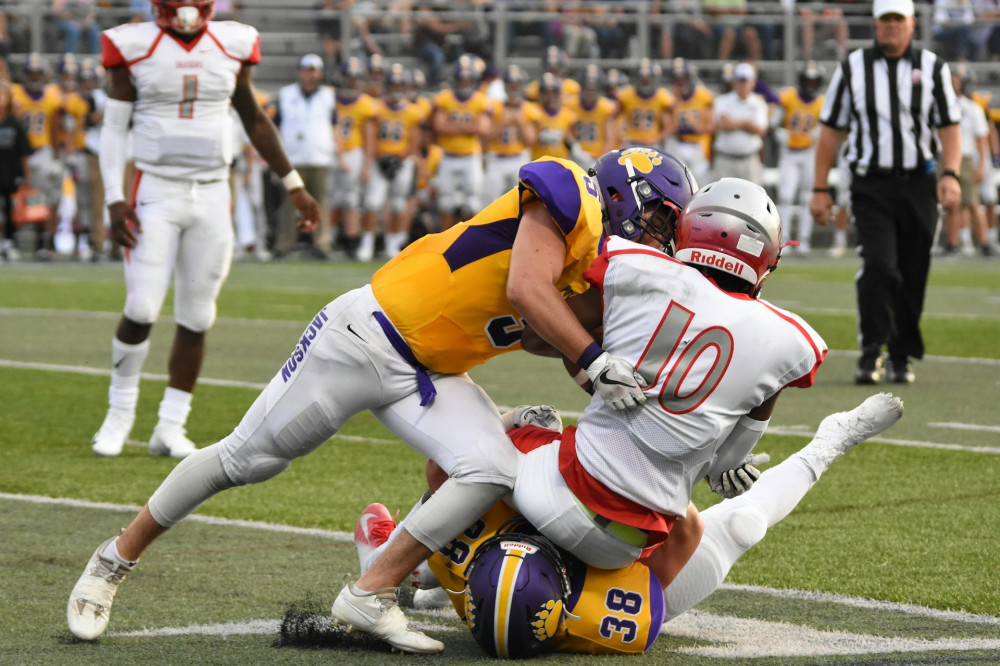
Imagine an NFL game between the Kansas City Chiefs and the Chicago Bears. The bookmaker lists the Chiefs at -200 and the Bears at +170. Even without calculating anything, you can tell that the Chiefs are the favorites. The negative number means you’d have to risk more money to win less, which signals a higher chance of winning. The Bears’ positive number means they’re the underdogs – less likely to win, but offering a bigger payout if they do.
That’s the essence of implicit probability: the balance between risk and reward. The odds reflect how likely something is to happen, and how much you’ll be paid if it does.
Why It Matters
For anyone interested in betting, understanding implicit probability is crucial. It helps you decide whether an odd is “fair” – whether the bookmaker’s view matches your own. If you believe a team has a better chance of winning than the odds suggest, that might be a good opportunity to place a bet.
It’s not about predicting the future perfectly. It’s about comparing opinions. The bookmaker has their estimate, and you have yours. The difference between the two is where potential profit – or loss – comes from.
Læs også:




When the Market Moves
Odds don’t stay still. They shift constantly as new information comes in – an injury report, a change in weather, or a sudden wave of bets on one side. When the odds move, the implicit probability changes too.
That means the betting market is always adjusting its collective view of what’s most likely to happen. In a way, it behaves like a living system that reacts to news, data, and public sentiment.
A Way of Thinking – Not Just a Number
Understanding implicit probability is really about thinking in terms of likelihoods rather than certainties. Instead of asking, “Will they win or lose?”, you start asking, “How often would they win if this game were played a hundred times?” It’s a mindset that helps you stay realistic and less emotional when evaluating bets.
Even without crunching numbers, this way of thinking can make you a more informed bettor. You learn to look beyond the surface of the odds and see what they truly represent: a story about chances, risk, and value.
In Short
Implicit probability is the bookmaker’s hidden estimate of how likely an outcome is. It’s built into the odds, but you don’t need math to understand it: low odds mean high probability, high odds mean low probability. By comparing the bookmaker’s view with your own, you can decide whether a bet makes sense – and maybe spot where the market might be wrong.
Læs også: