Use Simple Observations for Better Bike Race Predictions


Use Simple Observations for Better Bike Race Predictions
Predicting the outcome of a bike race might seem like a job for statisticians and analysts with access to advanced data. But you can get surprisingly far with simple observations—if you know what to look for. By combining a bit of knowledge about riders’ form, race characteristics, and subtle signals that often go unnoticed, you can make much sharper predictions. Here’s a guide to using your own observations as a powerful complement to numbers and odds.
Watch the Riders’ Body Language – It Reveals More Than You Think
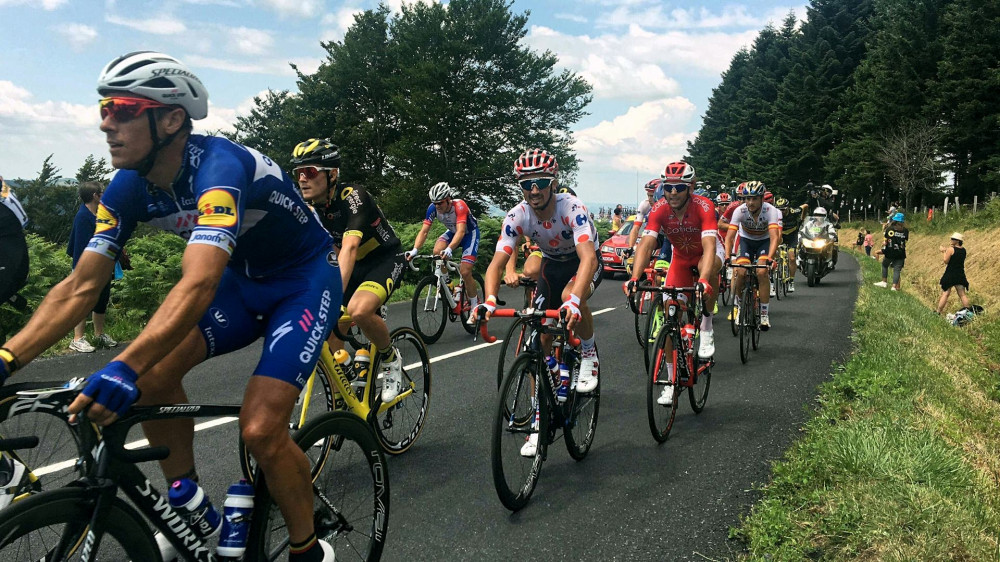
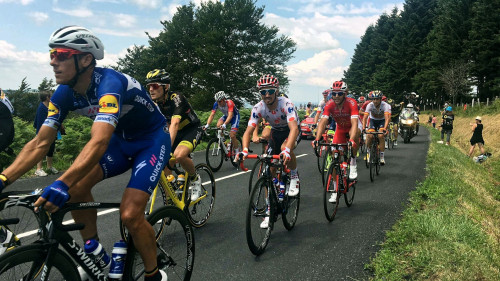
During a race, a rider’s body language can tell you a lot about their condition. A cyclist who sits calmly on the bike, breathes steadily, and reacts quickly to attacks is usually in good shape. On the other hand, small signs like frequent glances backward, restless movements, or slow responses to changes in pace can indicate fatigue.
When you’re watching a race, pay attention to:
- How the rider sits on the bike – a relaxed, stable position suggests confidence and energy.
- Facial expressions – a focused or neutral look is a good sign; a grimace or heavy breathing can signal trouble.
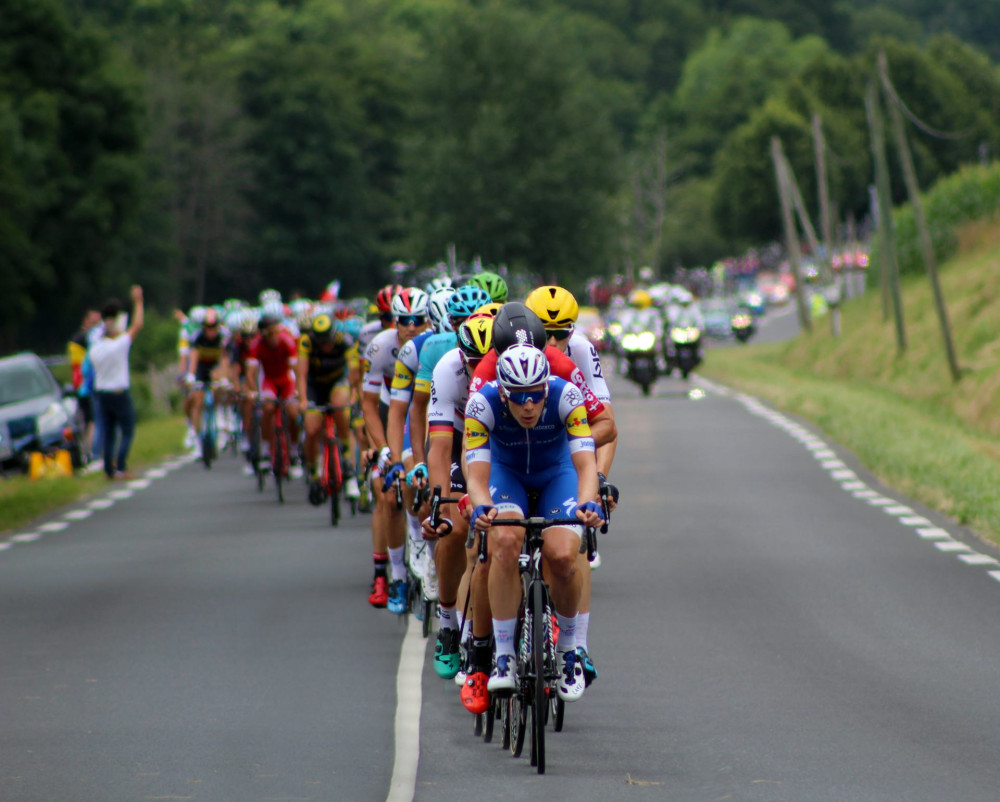
- Reactions to attacks – riders who respond immediately often have more left in the tank than those who hesitate.
These small cues can give you an edge, especially in stages where commentators haven’t yet spotted who’s looking strongest.
Know the Race Type – and Who It Suits
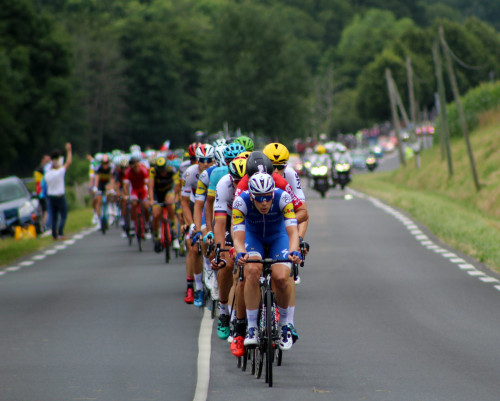
Not all riders are built for the same kind of race. A sprinter might dominate on flat stages but struggle in the mountains. A climber can look unbeatable on steep ascents but lose time in time trials. Matching riders’ strengths to the race profile is key.
Before you make a prediction, consider:
- The terrain – are there long climbs, cobblestones, or strong crosswinds?
- Weather conditions – rain, heat, or wind can completely change the race dynamics.
- Team strategy – some teams ride for stage wins, others for the overall classification.
By combining this knowledge with your observations of riders’ form, you can better predict who’s most likely to succeed.
Læs også:


Track Riders’ Form Over Time
Form in cycling changes quickly. A rider who was strong in the spring might be tired by midsummer, while another peaks just in time for the Tour de France. Following riders’ performances across several races helps you spot these trends.
Keep an eye on:
- Recent results – top finishes in smaller races can signal improving form.
- Team tactics – if a team builds its lineup around one leader, it’s a sign they believe in his chances.
- Interviews and social media – riders often reveal how they’re feeling through their comments or training updates.
Small details, like a change in training volume or a new role within the team, can be valuable indicators.
Use Your Eyes – Not Just the Stats
While data and odds are useful, they can’t always capture the human factors that decide a race. A rider might have the best numbers on paper, but if he looks exhausted or his team seems disorganized, that can change everything.
When you watch a race, try to combine what you see with the stats. If a favorite struggles to keep up on a climb, it might mean he’s not at his best—and that an underdog has a real chance.
Learn From Your Own Predictions
The best way to improve is to evaluate your own predictions. Note what you observed and how it turned out. Over time, you’ll start to see patterns—maybe you’re good at spotting when a rider is about to hit top form, or when a team is losing control of the race.
By combining experience, observation, and a bit of intuition, you can develop your own method that often proves more accurate than raw data alone.
Simple Observations – Big Differences
Predicting bike races isn’t just about knowing riders’ power numbers or team budgets. It’s about noticing what others miss: a glance, a movement, a change in rhythm. The small signs that reveal who’s strong and who’s on the edge.
With a bit of practice, you can use your own observations as a powerful tool—and maybe even predict the outcome before the experts do.
Læs også: