When the Odds Shift – Understanding the Dynamics Before and During a Cycling Race

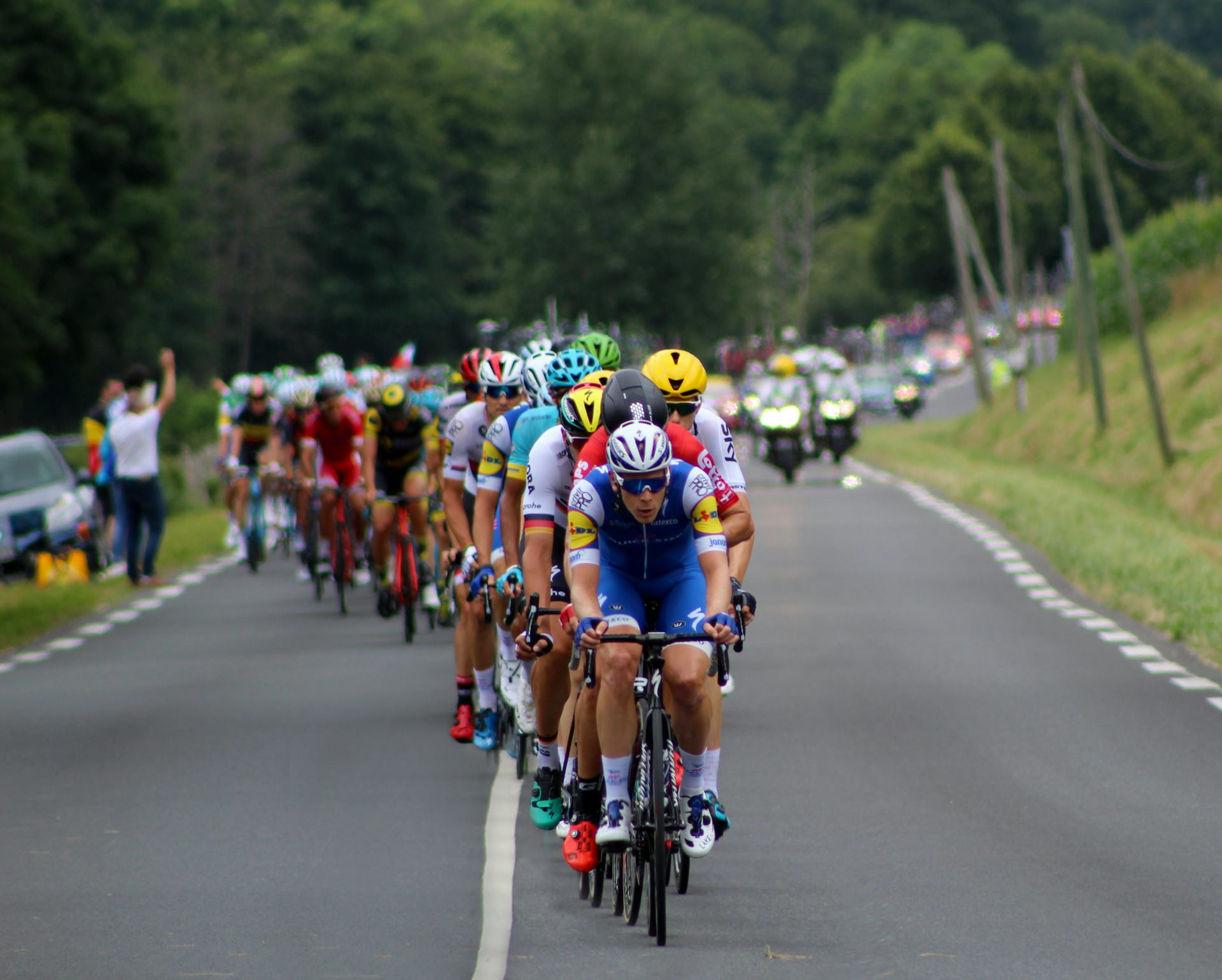
When the Odds Shift – Understanding the Dynamics Before and During a Cycling Race
For anyone who follows professional cycling—whether it’s the Tour de France, the Giro d’Italia, or a major U.S. event like the Tour of California—the movement of betting odds can feel almost as dramatic as the race itself. Odds rise and fall with every attack, crash, and tactical decision. Behind those numbers lies a complex interplay of data, psychology, and market reactions that reflect the pulse of the race in real time.
Before the Race: Expectations and Predictions
Before the riders even line up, odds are set based on a mix of analytics, expert judgment, and market sentiment. Bookmakers study rider form, team strength, course profiles, and weather forecasts. A climber will naturally have shorter odds on a mountain stage, while a sprinter’s chances improve on flat terrain.
But odds aren’t purely objective. They also respond to where the money flows. If a large number of bettors back a popular rider, bookmakers may shorten the odds to balance their exposure. That means pre-race odds represent not only expert analysis but also collective belief—a snapshot of how the public and professionals alike perceive the race’s likely outcome.
During the Race: When Reality Takes Over
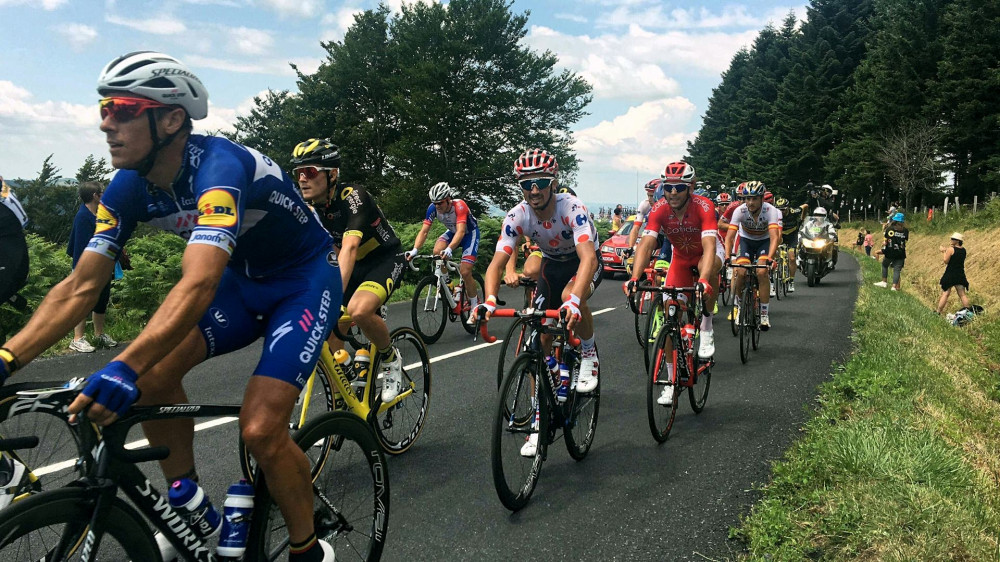
Once the race begins, the numbers start to move. A crash, a sudden breakaway, or a change in weather can shift the odds dramatically. Live betting markets update constantly, and reaction time becomes crucial.
Imagine a favorite suffering a mechanical issue or losing contact on a climb—the odds on that rider will spike, while competitors’ odds tighten. Conversely, if a lesser-known rider launches a strong attack and gains a gap, his odds may drop sharply, especially if he’s supported by teammates or shows strong form.
Bookmakers’ algorithms adjust quickly, but so do bettors. Many fans follow live coverage and act on instinct, experience, or even emotion. The result is a dynamic marketplace where odds mirror the rhythm and uncertainty of the race itself.
Strategy and Psychology
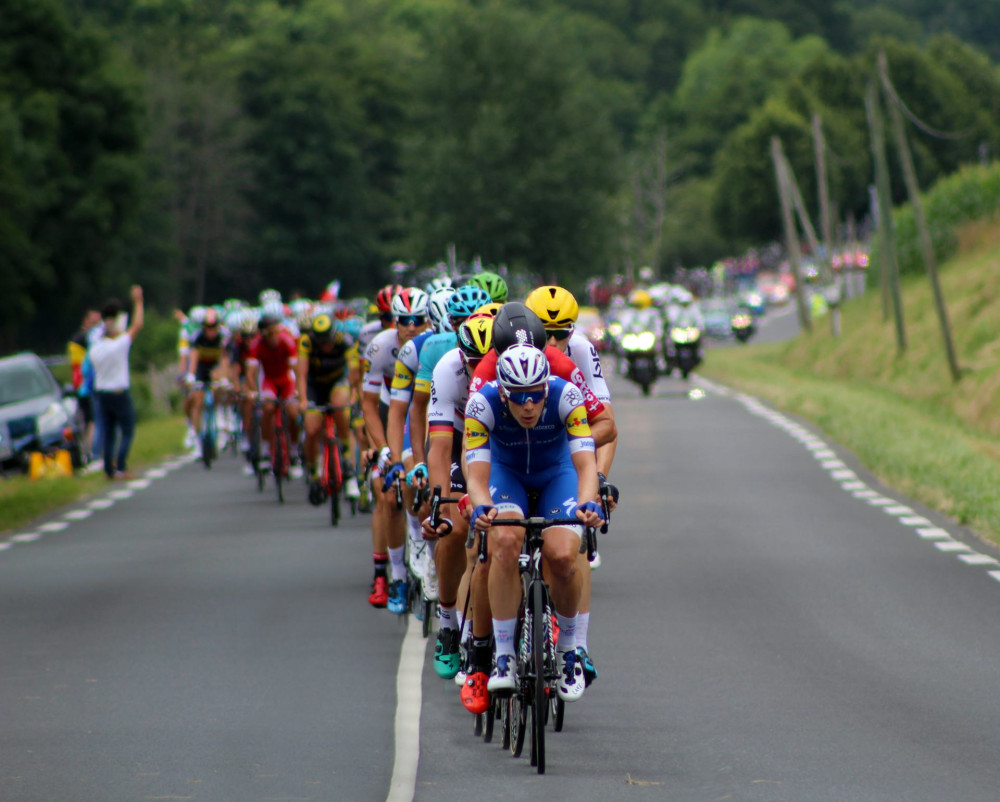
Understanding odds movement isn’t just about numbers—it’s about reading the race and the riders. A calm, composed leader can be more dangerous than an aggressive attacker burning energy too early. Team tactics also play a major role: a well-organized squad can protect its captain, control the peloton, and keep odds stable even under pressure.
Psychology affects bettors as well. Emotional reactions to dramatic moments—like a crash or a surprise attack—can lead to impulsive wagers. Experienced bettors often look for these emotional swings, using them to find value when the market overreacts.
Læs også:


Data, Technology, and New Trends
Modern cycling is more data-driven than ever. GPS tracking, power meters, and real-time performance analytics give teams and bookmakers unprecedented insight into rider condition and race dynamics. Odds now adjust not only to what viewers see on screen but also to measurable data like power output and time gaps.
At the same time, mobile apps and live-betting platforms have made it possible to place bets instantly. This accessibility has made the market more fluid—and more unpredictable. To truly understand the shifting odds, one needs both a grasp of the sport’s nuances and the ability to interpret data on the fly.
After the Finish Line: Lessons and Patterns
When the race is over, analyzing how the odds moved can reveal fascinating patterns. Which riders were overvalued? Which teams executed their strategy flawlessly? How did the market react to key moments like attacks, crashes, or weather changes?
For dedicated fans, studying these movements offers a deeper appreciation of the sport. It’s not just about predicting the winner—it’s about understanding how preparation, tactics, and chance intertwine in a race where anything can happen.
A Sport in Constant Motion
Cycling is unpredictable, and that’s what makes it so captivating—for fans, analysts, and bettors alike. When you understand how and why the odds shift, you gain a new perspective on the race itself.
Odds aren’t just numbers on a screen—they’re a living reflection of the tension, tactics, and split-second decisions that define the beauty of cycling.
Læs også: