Data Analysis in Motorsports – Understanding Performance and Race Dynamics

Data Analysis in Motorsports – Understanding Performance and Race Dynamics
In modern motorsports, data has become as crucial as horsepower and aerodynamics. Every lap, gear shift, and tire change is recorded, analyzed, and transformed into insights. Data analysis is no longer just a tool for engineers in the pit lane—it shapes race strategies, enhances performance, and gives fans and analysts a deeper understanding of race dynamics.
From Stopwatches to Sensors – A New Era of Racing
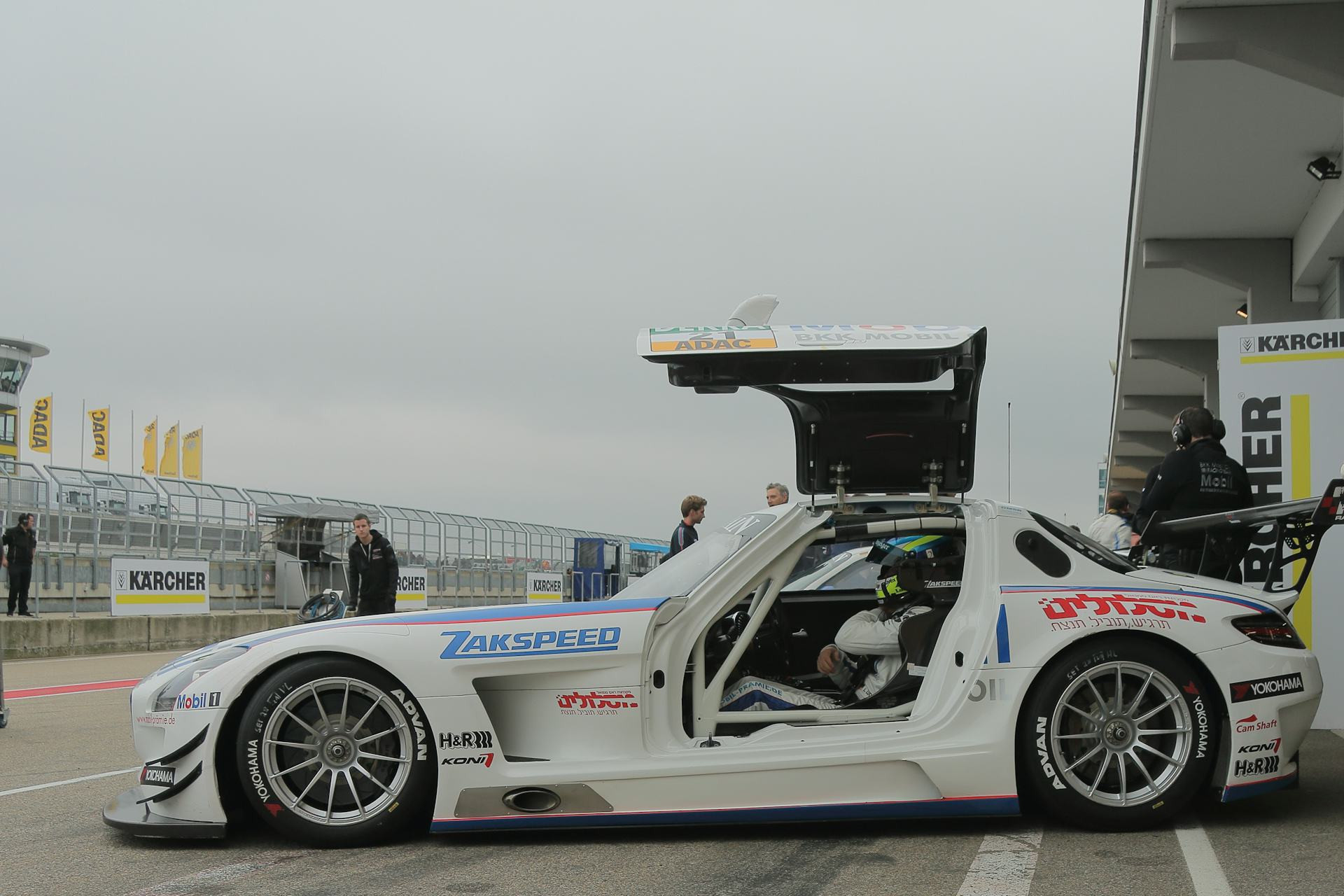
In the past, performance was measured with stopwatches and subjective observations. Today, race cars are equipped with hundreds of sensors that collect real-time data: engine RPM, brake pressure, tire temperature, fuel consumption, and more. This information is transmitted wirelessly to the team’s engineers, who can react instantly—adjusting strategy, predicting issues, or fine-tuning the car’s balance.
This evolution has turned motorsports into a laboratory for advanced technology. It’s no longer just about who drives the fastest, but who can best interpret and apply the data.
Real-Time Strategy – When Numbers Drive Decisions
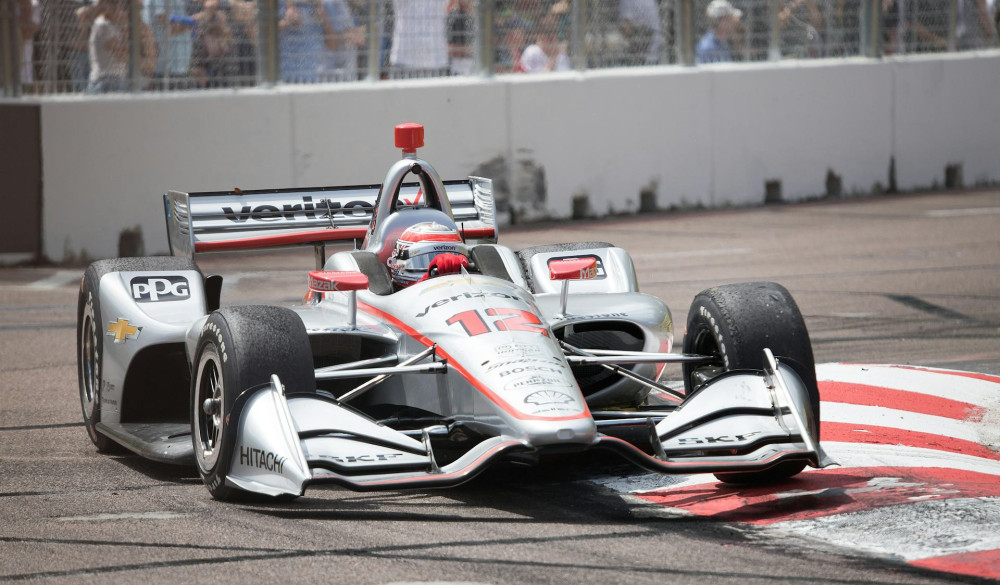
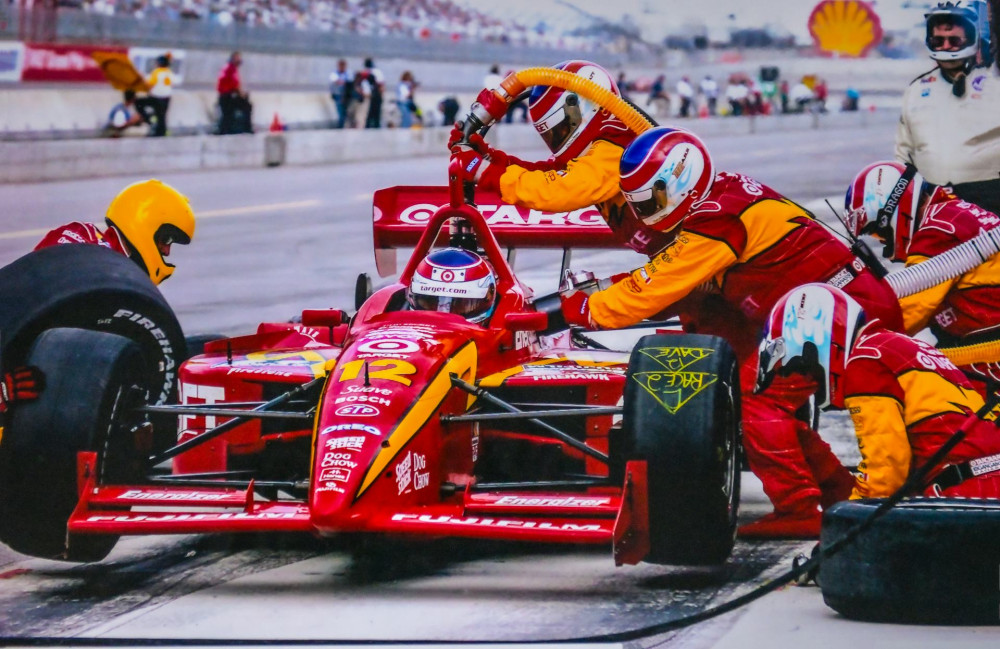
A Formula 1 race is a game of seconds and probabilities. Data analysis allows teams to simulate thousands of scenarios during a race: when to pit for new tires, how weather changes affect grip, and how much energy needs to be conserved to reach the finish line.
Teams use algorithms to predict competitors’ next moves and to calculate the risk of staying out versus pitting. Even small decisions—like delaying a tire change by a single lap—can determine whether a team wins or loses.
For spectators, this means races are far more complex than they appear. Behind every overtaking maneuver lies a web of calculations and strategic analysis.
Drivers Under the Microscope
Data analysis isn’t just about the car—it’s also about the driver. By comparing telemetry data, engineers can pinpoint where a driver loses time—perhaps braking too early or accelerating too late out of a corner.
Training sessions have become a scientific process, where drivers refine their technique based on measurable feedback. In some cases, biometric data such as heart rate and reaction time are monitored to assess focus and fatigue.
This makes motorsports a discipline where human skill and machine precision merge—and where data serves as the bridge between intuition and performance.
Læs også:
Fans and Analysts Gain New Tools
Data is no longer reserved for the teams. Many series, including Formula 1, IndyCar, and MotoGP, now release large amounts of race data for public access. This has created a new layer of engagement and understanding for fans.
Online platforms and sports analytics sites use this data to model probabilities for race outcomes, fastest laps, or pit stop strategies. For dedicated fans, it offers a chance to follow the race on a strategic level—and to anticipate how the dynamics might shift as the race unfolds.
The Future: Artificial Intelligence and Predictive Analytics
The next major leap in motorsports data is the integration of artificial intelligence. AI can process massive datasets faster than humans and detect patterns that would otherwise go unnoticed.
This enables predictive analytics—systems that can forecast when a component might fail or how a change in track temperature will affect performance. In the future, semi-autonomous decision systems could assist engineers in real time, making strategy even more precise.
Data as the Key to Understanding
Data analysis has transformed motorsports from a purely mechanical contest into a high-tech science. It allows teams, drivers, and fans to understand performance on a level that was once unimaginable.
At its core, racing is still about speed, courage, and precision—but today, it’s data that lights the path to victory.
Læs også: