Pit Stop Strategies as a Tool for Race Predictions

Pit Stop Strategies as a Tool for Race Predictions
In modern motorsport, pit stops are far more than a necessary pause—they are a strategic weapon that can determine who wins and who falls behind. For fans and analysts who follow races closely or even try to predict outcomes, understanding pit stop strategies is one of the most valuable tools available. A perfectly timed stop can save precious seconds, while a misjudged one can cost a podium finish. But how can this knowledge be used to forecast race results?
What Is a Pit Stop Strategy?
A pit stop strategy is the plan for when and how often a car will enter the pits to change tires, refuel (in series where it’s allowed), or make adjustments. In Formula 1, for example, refueling has been banned since 2010, so strategy revolves around tire changes and timing relative to race length, weather, and competitors’ pace.
Teams build their strategies using data: tire degradation, fuel consumption, track characteristics, and the likelihood of safety cars. It’s a delicate balance between running fast on fresh tires and minimizing time lost in the pits.
Why Pit Stop Strategy Matters
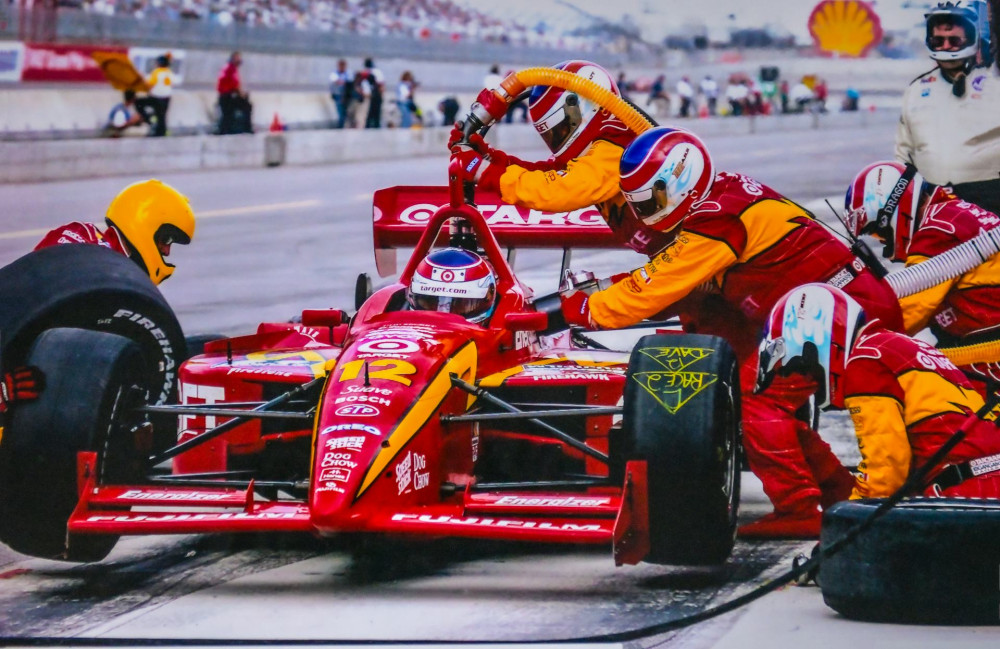
A pit stop can take anywhere from 2 to 25 seconds depending on the series. In a sport where margins are measured in tenths of a second, that difference can decide the race. Timing is everything.
An early stop can create an advantage if it allows a driver to run in clean air and set faster laps—this is known as the “undercut.” A later stop, on the other hand, can provide fresher tires for a final push, known as the “overcut.” The right call depends on how the race unfolds, and that’s where predictions become fascinating.
Data Analysis as the Key to Predictions
For those analyzing races for predictions or betting, pit stop patterns are a goldmine of information. By studying past races, you can identify trends such as:
- Team tendencies: Some teams favor aggressive, early stops, while others prefer longer stints.
- Tire wear on specific tracks: High-degradation circuits like Circuit of the Americas or Silverstone often favor two-stop strategies.
- Safety car probability: A safety car can change everything—a “free” pit stop under yellow can flip the race order.
- Weather conditions: Rain or temperature shifts can force teams to adapt their plans mid-race.
By combining these factors, you can build a realistic picture of how a race is likely to develop.
Simulations and Scenarios
Professional teams and analysts use computer simulations to test different strategies. They input data on tire compounds, fuel loads, track temperature, and competitor pace to find the optimal approach for total race time.
For the average fan, a simpler method is to follow live data during the race: lap times, tire choices, and team radio messages. When a team calls a driver in earlier than expected, it might signal an attempt to undercut a rival—an early clue to who could gain the upper hand in the final laps.
Læs også:
How to Use Pit Stop Strategies in Your Predictions
If you want to use pit stop strategies as part of your race predictions, try this approach:
- Study past races at the same track. How many stops were typical, and which strategies led to success?
- Watch tire choices before the start. Starting on softer tires often means a shorter first stint.
- Consider team and driver positions. A car starting further back may gamble on an alternative strategy to gain track position.
- Monitor the weather forecast. A sudden rain shower can change everything—and those who react fastest gain the advantage.
- Listen to team radio and live updates. They often reveal when a team is planning to switch strategy.
By combining these observations, you can predict which drivers are likely to benefit from the race’s evolution—and who might lose out due to an ill-timed stop.
Pit Stops as the Deciding Factor
Ultimately, pit stop strategy is one of the most captivating aspects of motorsport. It blends engineering, psychology, and timing into a game where every second counts. Predictions that account for pit stops are rarely perfect—but they’re far more accurate than those based only on starting positions or raw speed.
Understanding pit stop strategies isn’t just for engineers and strategists in the garage. It’s also for fans and analysts who want to see the patterns behind the results. Because in many races, victory isn’t decided solely on the track—it’s won through the decisions made behind the pit wall.
Læs også: