Driver Versatility: How to Evaluate Performance Across Cars and Tracks


Driver Versatility: How to Evaluate Performance Across Cars and Tracks
When following motorsports, it’s easy to be impressed by a driver’s speed in a particular car or on a favorite track. But the most complete racers are those who can deliver top results no matter the conditions—across different cars, circuits, and weather. Evaluating a driver’s versatility requires more than counting wins and pole positions. It’s about understanding how skill, adaptability, and mental strength come together.
What Does Versatility Mean in Motorsports?
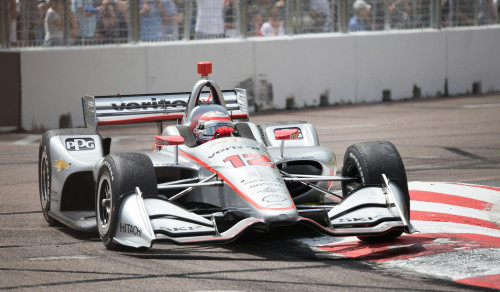
Versatility is the ability to perform across a variety of cars and track types. A driver who can win in both a Formula 1 car and a sports prototype, or who can switch between oval racing and road courses in IndyCar, demonstrates a rare kind of talent. Even within a single series, versatility can be decisive. Some tracks reward precision and patience, while others demand aggression and bravery.
A versatile driver can quickly adapt to changes in car balance, tire behavior, and aerodynamics. That adaptability often separates the good from the truly great.
Track Types: From Street Circuits to Superspeedways
The nature of a track plays a huge role in how a driver performs.
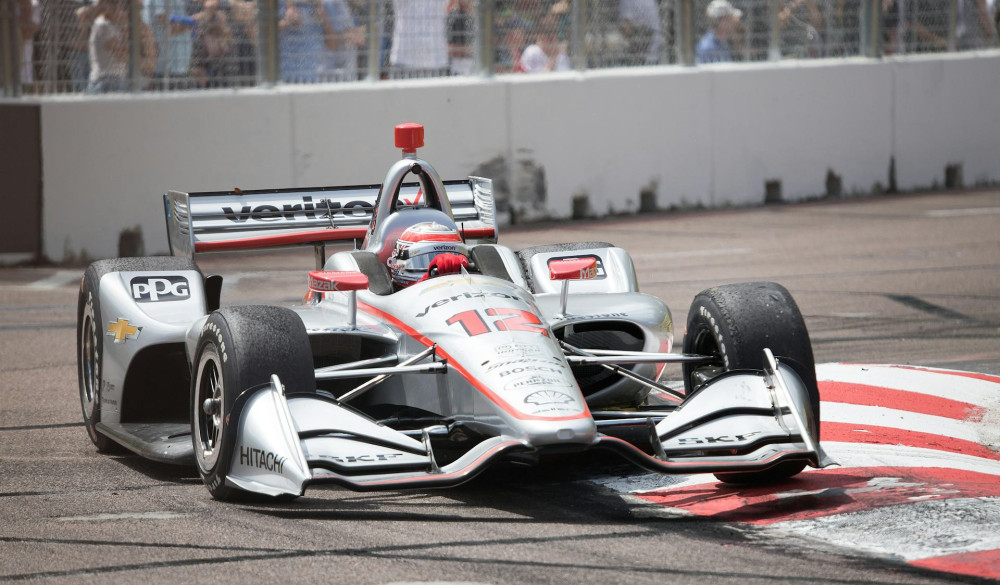
- Street circuits like Long Beach or Nashville require precision and composure. The walls are close, and mistakes are costly. Drivers with smooth inputs and strong focus tend to excel.
- High-speed tracks such as Indianapolis or Road America reward courage and the ability to maintain control at the limit through long, fast corners.
- Technical circuits like Laguna Seca or Mid-Ohio demand rhythm and a deep understanding of car balance through constant direction changes.
A driver who can deliver consistent results across all three types shows a level of versatility that reflects both experience and technical understanding.
The Car’s Character – and the Driver’s Adaptation
No two race cars behave the same. Some are prone to oversteer, others to understeer. Some require aggressive turn-in, while others reward a smoother style. A driver who can quickly adapt to a car’s unique traits can maximize its strengths and minimize its weaknesses.
This adaptability becomes especially clear when a driver changes teams or series and performs well right away, even with a completely different car setup. It shows not only driving skill but also the ability to communicate effectively with engineers—a crucial but often overlooked part of driver versatility.
Læs også:

Weather and Conditions: The Invisible Factor
Rain, heat, cold, and wind can change everything in racing. A driver who stays calm and finds grip in tricky conditions has a clear advantage. Wet weather, in particular, is known as the great equalizer—it’s less about the car and more about the driver’s feel and intuition.
Being able to read the track, sense where grip is available, and adjust lines and braking points in real time is an art. The most versatile drivers often thrive when conditions are unpredictable.
Data and Statistics: Measuring Versatility
For fans and analysts who like to take a data-driven approach—whether for fantasy leagues, betting, or pure curiosity—versatility can be measured through several indicators:
- Results across different track types – shows whether a driver performs broadly or only on certain kinds of circuits.
- Performance in changing weather – compare lap times in dry and wet conditions.
- Adaptation to new cars or teams – how quickly does a driver find pace after a switch?
- Qualifying vs. race performance – some drivers shine over one lap, others over long runs.
Combining these data points gives a more complete picture of how versatile a driver truly is.
Mental Strength and Continuous Learning
Versatility isn’t just about technique—it’s also about mindset. A driver who learns quickly, handles setbacks, and stays focused under pressure is more likely to adapt to new challenges. This is often where the difference between raw talent and championship potential becomes clear.
The best drivers use lessons from one type of car to improve in another. They understand how physical endurance, strategy, and teamwork connect—and they never stop learning.
How Fans and Bettors Can Evaluate Versatility
When assessing a driver’s versatility, look beyond recent results. Identify patterns: Where does the driver perform best? How do they respond to changes in setup, weather, or race strategy? And how do their performances evolve over time?
A driver who consistently delivers solid results across different tracks and conditions is often a safer bet—both competitively and statistically. Versatility reflects not just talent, but also maturity and consistency.
Conclusion: The Complete Driver
In a sport where margins are razor-thin, versatility is one of the most valuable traits a driver can have. It doesn’t always show up in spectacular wins, but in the ability to perform when circumstances change. The most versatile drivers are those who can extract the best from any car, on any track—and they’re often the ones who end up at the top of the championship standings.
Læs også: